


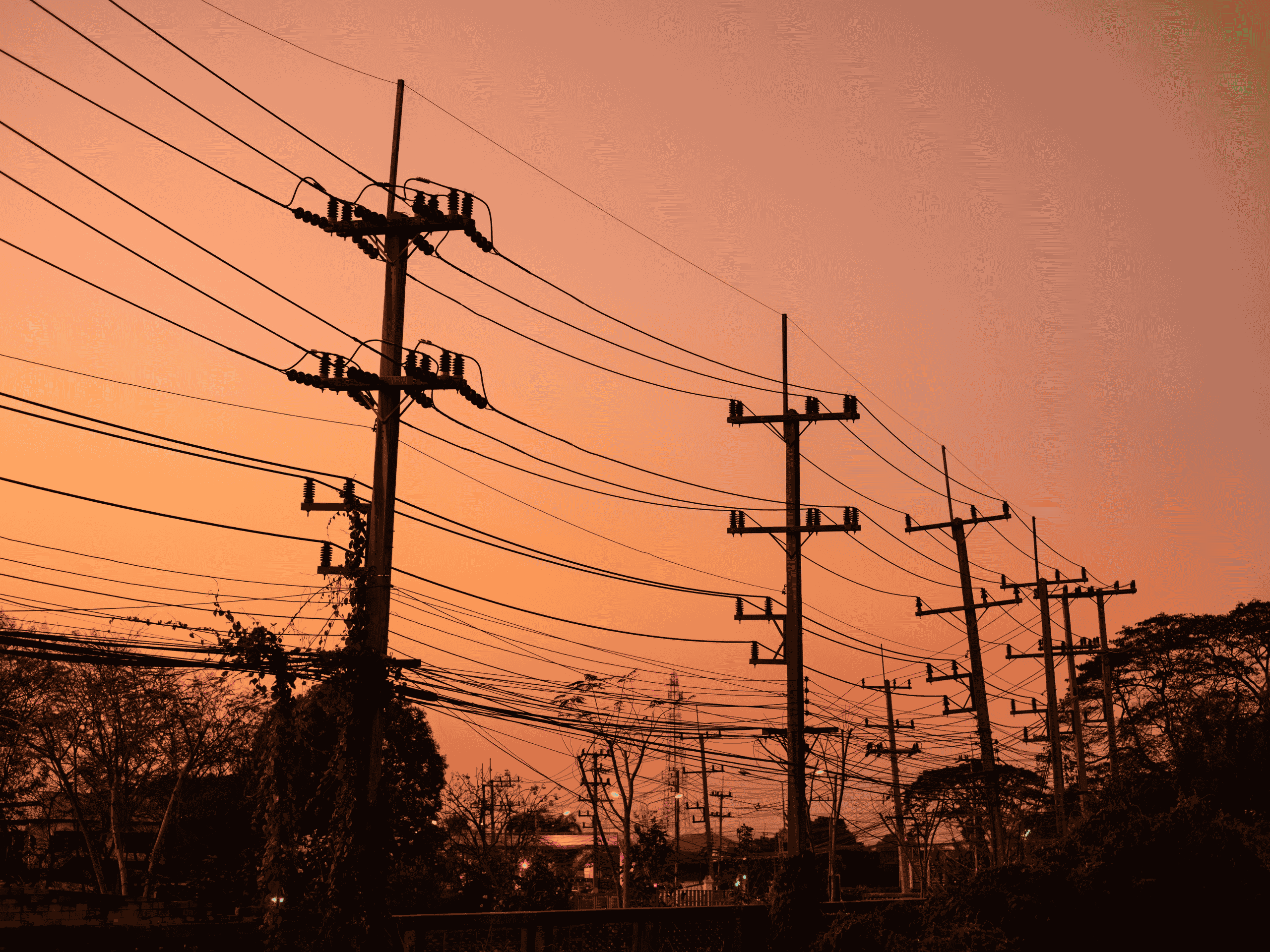
Why are electricity bills going up in Washington?
Why are electricity bills going up in Washington?
From gas to groceries, the cost of everyday essentials keeps climbing. Electricity is no exception.
Across Western Washington, utilities are raising rates to cover aging infrastructure, rising power costs, and growing electricity demand. Puget Sound Energy (PSE) is seeking a series of rate increases that could push electric rates up nearly 30% by 2029, while Seattle City Light customers are facing back-to-back increases of 9.5% in 2027 and 2028.
So, what’s behind these increases and what can Washington homeowners do to manage rising energy costs?
Why electricity costs are rising in Washington
Several factors are putting upward pressure on electricity rates:
- Growing electricity demand. More people, electric vehicles, electric heating systems, businesses, and data centers are increasing the amount of electricity the region needs. Meeting that demand requires investment in new energy resources and the infrastructure to deliver power.
- Aging infrastructure. Utilities need to replace aging cables, transformers, and other equipment to maintain reliable service. The cost of materials and labor has also risen significantly.
- Climate change and extreme weather. Washington relies heavily on hydropower, but drought and changing snowpack can reduce water availability and affect electricity generation. Heat waves, severe storms, wildfires, and cold snaps also create challenges for the grid.
- Higher power and transmission costs. When utilities need to purchase electricity from the regional market, they face changing prices. Transmission costs, the expense of moving electricity from where it’s generated to where it’s needed, are rising, too.
- AI data centers are adding pressure to the grid. Tech companies are planning energy-intensive AI data centers across the Pacific Northwest, potentially driving electricity demand even higher.
- Washington’s clean-energy transition. State policies require utilities to transition toward cleaner energy resources. Building and integrating new generation, storage, and transmission infrastructure requires substantial investment.
Together, these pressures are making it more expensive to generate and deliver reliable electricity. Both PSE and Seattle City Light cite many of these factors in explaining their planned rate increases. (PSE’s explanation of rising rates; Seattle City Light’s explanation).
PSE’s proposed rate increases could add $51 a month by 2029
PSE, Washington’s largest electricity utility, has asked the Washington Utilities and Transportation Commission (UTC) to approve electric rate increases over three years:
- 2027: 15.15%
- 2028: 3.74%
- 2029: 8.70%
If approved as requested, these increases would amount to roughly 30% cumulatively in electric rates over the three-year period. Based on an example residential usage level of 800 kilowatt-hours per month, KIRO 7 reported estimated increases of about $28, $7, and $16 per month in those respective years. That’s approximately $51 more per month, or $612 more per year, by 2029 if the proposal is approved. Actual bills will vary depending on your usage.
PSE says the increases are needed to fund investments in safe, reliable service, meet growing electricity demand, and comply with Washington’s clean-energy requirements. Its proposal also includes a requested 10.8% return on equity, which affects the profit shareholders may earn on their investment. The UTC will review the request and determine the final rates.
Customers have already had opportunities to weigh in during public comment hearings. Written comments are being accepted through November 12, 2026. Submit a comment to the UTC.
Seattle City Light customers face two 9.5% increases
Seattle City Light customers are also facing higher bills. The Seattle City Council approved 9.5% rate increases for both 2027 and 2028.
The utility estimates that a typical residential customer will pay about $10 more per month in 2027, followed by another $10 per month in 2028. That’s approximately $20 more per month, or $240 more per year, compared with current bills once both increases take effect. Individual impacts will depend on energy use and household needs.
City Light says the increases will help pay for aging infrastructure, rising equipment and labor costs, new energy resources, and the additional capacity needed to serve growing demand. The utility also expects to invest in renewable energy, battery storage, and expanded transmission to support a reliable, cleaner electricity system.
Read more in Seattle City Light’s explanation of the increases.
Can solar help homeowners save on electricity
You own the electricity that your solar panels produce, reducing how much power you need to buy from your utility. And unlike utility rates, which can change over time, the cost of the electricity your solar system generates is largely determined by your upfront system cost, financing, and ongoing maintenance.
Think of solar as prepaying for a portion of your future electricity. You’re investing in a system that can generate power for decades, helping you offset electricity purchases at future utility rates. Your system won’t eliminate every bill, and actual savings depend on your home’s energy use, system design, and financing, but solar reduces your exposure to rising rates over time. For many Seattle-area homeowners, solar can save them tens of thousands of dollars on electricity over the life of their system. And if electricity rates continue to rise, those savings could grow even further.
Washington homeowners can save even more with solar thanks to Washington’s 1:1 net metering policy, which allows homeowners to send excess electricity back to their utility in exchange for credit on their bill. This incentive is still available as of fall 2026, but restructuring changes are expected in 2027.
If you’re considering solar, now is a smart time to lock in 1:1 net metering savings while they’re still available.
Curious how much you could save with solar?
When nearly every household expense seems to be climbing, your electric bill is one cost you may be able to do something about.
At Solterra Solar, we’ll run the numbers to help you determine whether solar makes financial sense for your home, budget, and energy goals.
Get a free solar quote and talk with a local solar design consultant about your options.
Author Bio:
 Sarah Taylor (she/her) is the marketing director for Solterra Solar. With nearly a decade of experience helping mission-driven organizations connect with their audiences, she blends utility, empathy, and artistry to craft content that drives measurable business growth and positive change in local communities. When she isn’t poring over words with hot tea in hand, you can find her exploring the PNW’s unrivaled wild spaces or gently persuading her indoor cat, Lemon, to embrace life as an adventure cat.


