


Could AI Data Centers Put Washington’s Power Grid at Risk?
Could AI data centers put Washington’s power grid at risk?
A fast four years after OpenAI’s public launch of ChatGPT, it’s hard to go a day without reading about, thinking about, or interacting with AI. It’s changing how we work, learn, and communicate. And soon, AI could change the reliability and affordability of our electricity, too.
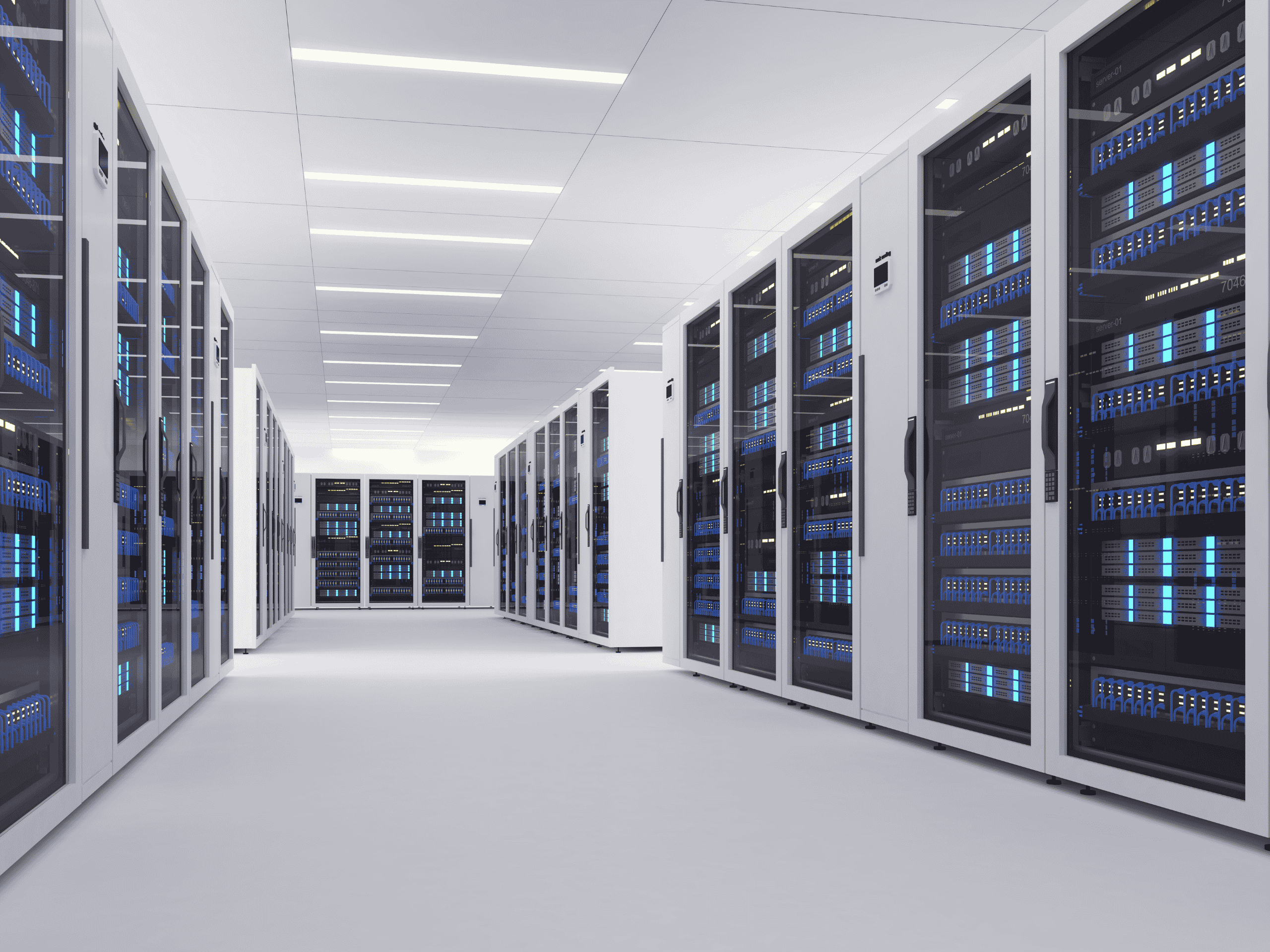
Behind every AI chatbot, image generator, and online service is a data center that consumes enormous amounts of electricity. As more of these facilities are planned across the Pacific Northwest, it’s critical we ask: Can Washington meet the growing demand without compromising grid reliability, driving up electricity costs for ratepayers, or compromising on its climate goals?
AI’s energy demand is growing fast
Data centers were a central theme at the 2026 Washington Solar Summit. During a discussion on integrating data centers into the Pacific Northwest, Hamody Hindi, Manager of Transmission Planning at the Bonneville Power Administration (BPA), shared a striking comparison:
“The Pacific Northwest has 30 GW of peak capacity. There are 37 GW of data centers in the pipeline.”
In other words, the amount of proposed data-center capacity exceeds the region’s current peak electricity demand. These projects won’t all necessarily be built, but the scale of the pipeline underscores the challenge facing regional energy planners.
As of writing this blog, Washington has more than 100 data centers online, accounting for roughly 1,414 megawatts (MW) of total peak energy demand. For context, the city of Seattle draws roughly 1,000 average megawatts to power everything in the city. Washington’s data center footprint effectively uses more electricity than the entire city of Seattle.
The cities of Seattle, Spokane, and Renton have passed emergency data center moratoriums due to concerns about grid strain.
Can Washington’s grid keep up?
Our electric grid is already strained and in need of upgrades. Data centers add an extra layer of uncertainty because their demand can grow exponentially faster than Washington utilities can build the infrastructure needed to serve them.
To meet data-center demand, regional energy planners at the Washington Solar Summit emphasized the importance of coordinated planning between utilities and data centers, which is not always happening now.
“AI data centers pose a unique and uncertain challenge we have not seen in our region in more than 40 years,” said Austin Scharff, Senior Energy Policy Specialist for the Washington State Energy Office. “More than reliability or quality of service, the companies building these AI data centers are concerned with speed. They’re asking: ‘How do we do this very quickly?‘”
Interestingly, fueling Washington’s AI data center boom is becoming less about generating enough power and more about finding a way to move it. The state’s cross-mountain power lines are maxed out. Compounded by a global equipment shortage that delays critical grid parts, simply transporting electricity has become a tighter bottleneck than producing it.
Could AI data centers cause rolling blackouts in Washington?
In July 2026, a major transmission-line failure in Northern Virginia dropped over 3 gigawatts of data-center demand offline in an instant, triggering a sharp voltage disturbance that rippled across the Eastern U.S. power grid. While a widespread blackout was avoided, the incident sent a clear warning: the immense concentration of data centers has made them a heavy wildcard capable of destabilizing regional energy infrastructure.
Solterra Solar customers are already talking about the rising uncertainty of Washington’s existing infrastructure. One recent battery client said his reason to get a battery now was so he could be “ready for the data center blackouts.” And it makes sense they’re thinking this way because as we’ve seen, data centers are already stressing the grid.
If electricity demand in Washington grows faster than available supply and delivery capacity, the region will face greater reliability risks during periods of extreme demand. While this doesn’t mean rolling blackouts are inevitable, it’s certainly a possibility if we don’t plan accordingly.
Who pays for the data-center boom?
Building new power generation, substations, and transmission lines costs money. As Washington accommodates growing data-center demand, a critical question is how to ensure these companies pay their fair share rather than shifting costs to households and small businesses.
One proposed solution is “bring your own clean energy,” requiring data centers to bring new clean electricity resources onto the grid or offset their consumption. Other options include having data centers fund grid upgrades, requiring flexibility in when they use electricity, and strengthening protections for residential customers.
Seattle City Light has already adopted a policy establishing a separate rate class for data centers seeking at least 10 megavolt-amperes of new or expanded service. The goal is to ensure these large customers cover the costs of serving them rather than shifting those costs to existing customers.
Can we power AI data centers with clean energy?
Washington’s clean energy goals require data centers to transition to 100% renewable or non-emitting electricity by 2030, with limited offsets allowed, and eliminate offsets entirely by 2045. But meeting surging demand will require significant investment in new clean energy resources.
Much of Washington’s data-center development is concentrated in rural Central Washington, where relatively inexpensive hydropower provides a low-carbon electricity source. Historically, hydropower has supplied roughly 60% of the state’s electricity, but drought and declining snowpack can limit generation just as demand grows.
Meeting future demand will require a mix of clean energy solutions. Solar and wind can expand electricity supply, while battery storage helps deliver solar power when the sun isn’t shining. Together with hydropower and expanded transmission, these resources can help meet growing demand without increasing reliance on fossil fuels.
Prepare your home for an uncertain energy future
As Washington’s electricity needs grow, homeowners are looking for more control over their energy.
Solar panels generate electricity for your home, while a battery stores excess energy for later use. During a grid outage, a home battery can keep essential appliances and circuits running. Paired with solar, it can recharge during daylight hours, helping extend backup power through a prolonged outage.
Solterra Solar helps Washington homeowners explore solar and battery systems designed around their homes, energy use, and backup-power goals.
Want to know what solar and battery storage could do for your home? Get a free quote today and talk with a local solar and battery expert who understands Washington’s energy landscape.
Author Bio:
 Sarah Taylor (she/her) is the marketing director for Solterra Solar. With nearly a decade of experience helping mission-driven organizations connect with their audiences, she blends utility, empathy, and artistry to craft content that drives measurable business growth and positive change in local communities. When she isn’t poring over words with hot tea in hand, you can find her exploring the PNW’s unrivaled wild spaces or gently persuading her indoor cat, Lemon, to embrace life as an adventure cat.


